Understanding the Salary Line Gradient Icon for Modern Projects
When you're building a brand or designing a digital product, the small details often carry the most weight. Icons are a perfect example. They guide users, communicate ideas instantly, and contribute significantly to the overall aesthetic. A generic, poorly chosen icon can make a polished interface feel cheap, while a well-crafted one elevates the entire experience. The Salary Line Gradient Icon is a design asset built with this exact principle in mind. It’s not just a picture of a dollar sign or a chart; it’s a carefully considered visual tool designed to integrate seamlessly into professional workflows and enhance visual communication.
A Closer Look at the Visual Style
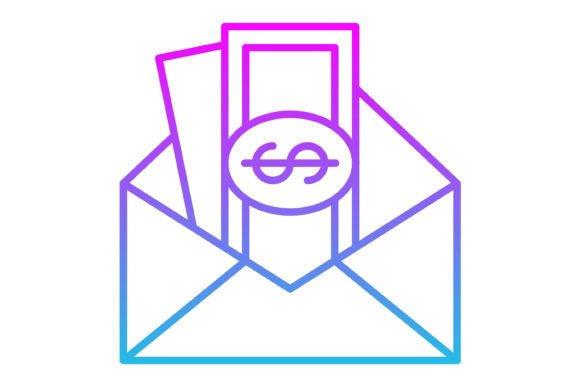
At its core, the Salary Line Gradient Icon set is defined by its clean, linear construction. Each icon is formed from precise lines and shapes, avoiding heavy fills or overly complex illustrations. This minimalist approach ensures clarity, especially at smaller sizes on mobile screens or within dense web layouts. The defining feature, however, is the gradient application. Instead of flat, single-color fills, the icons use subtle to vibrant color transitions. This adds a layer of depth, dimension, and contemporary flair that flat icons often lack. The personality here is modern, professional, and slightly dynamic. The gradient isn't just decorative; it can be used to suggest growth, flow, or progression—concepts deeply tied to finance and salary-related themes. The overall appeal lies in this balance: the line work provides structure and legibility, while the gradient injects energy and visual interest without overwhelming the viewer.
Where This Icon Set Truly Shines
Thinking about where to use the Salary Line Gradient Icon? Its versatility is one of its strongest suits. Because it's provided in multiple formats—including AI, EPS, JPG, PNG with a transparent background, and SVG—it’s ready for virtually any application you can imagine.
- Digital & Web Design: This is a natural home for these icons. Use them in web design for financial blogs, fintech app dashboards, HR software interfaces, or e-commerce sites. The SVG format is particularly valuable here, as it scales perfectly to any screen resolution without losing quality, ensuring your icons look sharp on everything from a smartphone to a 4K monitor.
- Mobile Apps: In app development, consistency and clarity are paramount. The line gradient style is highly legible on small screens and helps create a unified brand identity across an application. They’re perfect for navigation, feature highlights, or onboarding screens.
- Presentation & Marketing: For social media graphics, pitch decks, or marketing brochures, these icons add a professional polish. They can visually break up text-heavy slides, highlight key statistics about salary trends, or illustrate financial benefits in a way that’s immediately understandable.
- Print & Editorial: Don’t limit them to screens. The high-resolution JPG and PNG files work well for packaging design, magazine layouts, or printed reports. They can serve as spot illustrations, section dividers, or visual cues in editorial design for business publications.
Essentially, if your project involves communicating information about earnings, finance, growth, or data, and you need a modern, professional visual language, this icon set is a strong candidate.
Making a Practical Choice: Evaluation and Pairing
Choosing any design asset requires a practical eye. Here’s how to think about integrating the Salary Line Gradient Icon into your work.
Evaluate the Fit: First, consider your project's existing typeface and color palette. Does the icon's line weight complement your chosen font? For instance, if you're using a delicate serif font for a luxury financial advisor's brand, ensure the icon lines aren't too bold and clash. Conversely, a robust sans serif font for a tech startup would pair well with a slightly heavier line icon. Test a few icons at the actual size they'll be used. Check for clarity and ensure the gradient doesn't muddy the form at small scales.
Consider Font Pairing and Hierarchy: Icons should support your typography, not compete with it. Use them as visual anchors. Place an icon next to a heading set in a display font to draw the eye. In a list of benefits, a consistent icon for each point creates a strong visual hierarchy, making the content easier to scan and digest. This improves readability and overall audience engagement.
Explore the Included Formats: The zip file contains everything you need for flexibility. The AI and EPS vectors are your master files for full customization—change colors, modify shapes, or adjust the gradient in Adobe Illustrator. The transparent PNGs are drag-and-drop ready for quick use in Photoshop, Canva, or presentations. The SVGs are code-ready for developers. Understanding these formats means you can adapt the icons to any stage of your workflow, whether you're a designer, marketer, or small business owner managing your own assets.
Licensing for Commercial Use: Always review the license. Most premium icon sets like this are licensed for commercial use, allowing you to incorporate them into client projects, products for sale, and marketing materials. This is crucial for entrepreneurs and publishers who need clear rights for their work. It ensures your brand identity remains legally sound.
The Salary Line Gradient Icon isn't just a collection of pictures; it's a system. Its strength lies in its cohesive style, scalability, and the professional edge it can bring to a wide array of projects. By thoughtfully selecting where and how to use it, you can enhance communication, strengthen your visual branding, and create more polished, engaging experiences for your audience.