Cloud Network Glyph Icon: The Visual Anchor for Modern Digital Projects
When you're building a brand or designing an interface, the small details often carry the most weight. Icons are a perfect example—they're the silent communicators that guide users, reinforce concepts, and add polish to any project. The Cloud Network Glyph Icon is one of those versatile design assets that can quietly elevate your work across multiple platforms. It's not just a pretty symbol; it's a functional tool designed with real-world application in mind.
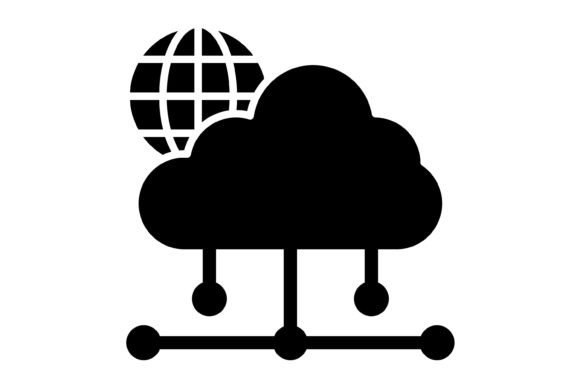
At its core, the Cloud Network Glyph Icon is a minimalist vector representation of interconnected cloud computing and networking. Visually, it strikes a balance between technical clarity and approachable simplicity. The lines are clean, the geometry is balanced, and the overall personality is professional yet friendly. It doesn't scream for attention—it earns it through clarity and purpose. This kind of modern typography approach to icon design makes it suitable for everything from mobile apps to print materials without feeling out of place.
Where This Icon Truly Shines
Think about the last time you used a dashboard, browsed a SaaS website, or looked at a tech startup's branding. Chances are, you encountered icons that needed to communicate complex ideas like data storage, connectivity, or cloud services in a single glance. The Cloud Network Glyph Icon excels in exactly these scenarios. Its design translates well across web design, social media graphics, presentation decks, and even packaging design for tech-related products.
For entrepreneurs and small business owners, this icon becomes particularly valuable when building a brand identity. Consistency matters—using the same icon style across your website, app, marketing materials, and investor pitch decks creates a cohesive visual language. The Cloud Network Glyph Icon comes in 5 different formats: AI, EPS, JPG, PNG (Transparent Background), SVG, which means you're covered whether you're editing in Illustrator, dropping it into a Canva template, or embedding it in a responsive website. The transparent background PNG is especially handy for layering over different colored sections without awkward white boxes.
Practical Applications for Designers and Creators
If you're a designer working on a logo design project for a tech client, you might incorporate this glyph as a supporting element—perhaps in a favicon, app icon, or as part of a larger visual system. Bloggers and content creators can use it in featured images, infographics, or within article layouts to visually reinforce topics related to cloud computing, networking, or digital transformation. Marketers building landing pages will find it useful for breaking up text-heavy sections and drawing attention to key features or service descriptions.
The icon's 100% vector construction means it scales beautifully from a tiny 16px favicon to a massive billboard without losing sharpness. That's a practical advantage many people overlook until they're scrambling to find a higher-resolution version of a raster icon at the last minute. Because it's easy to edit and scale, you can adjust stroke weights, colors, or proportions to match your specific brand identity guidelines without starting from scratch.
Making Smart Design Decisions with Glyph Icons
Choosing the right icon set isn't just about aesthetics—it's about fit. Before integrating the Cloud Network Glyph Icon into your project, consider your audience. If you're designing for enterprise clients, the icon's clean, technical style communicates reliability and competence. For consumer-facing apps, its friendly geometry feels accessible without being childish. This versatility is what separates a good design asset from a great one.
When evaluating any icon for your work, test it at multiple sizes and on different backgrounds. The PNG (Transparent Background) format makes this easy, but also try the SVG version for web projects since it remains crisp on retina displays and loads efficiently. If you're working within an existing design system, check how the icon's line weight and visual density compare to other elements. A mismatch—even a subtle one—can throw off your entire visual hierarchy.
Font pairing principles actually apply here too, even though we're talking about icons rather than typeface choices. Just as you'd pair a serif font with a sans serif font for contrast, your icons should complement your typography without competing. The Cloud Network Glyph Icon's neutral, geometric style plays well with both display font headings and body text set in clean sans serifs. It won't clash with script font or handwritten font styles either, thanks to its restrained personality.
A Few Things to Keep in Mind
Always review the licensing terms before using any icon in commercial projects. While this particular icon is ready to use for all devices and platforms, understanding the permissions ensures you avoid headaches down the road—especially if you're creating templates for resale or building client deliverables. For hobbyists and crafters, the included formats give you flexibility to incorporate the icon into DIY projects, custom merchandise, or personal portfolios without format conversion hassles.
One practical tip: keep a folder of your most-used icons organized by format and purpose. When you're juggling multiple projects—whether it's editorial design, app mockups, or social media graphics—having quick access to the right file type saves significant time. The fact that this icon arrives in a zip file with everything pre-organized makes that workflow even smoother.
Ultimately, the Cloud Network Glyph Icon isn't trying to be everything to everyone. It does one thing well: it communicates cloud and network concepts with clarity, consistency, and style. And sometimes, that's exactly what your project needs—a reliable visual tool that works quietly in the background, making your designs look more polished and professional without demanding the spotlight.