Mastering Visual Communication: The Emoticon Glyph Icon Set
In the fast-paced world of digital marketing and user interface design, words often fail to capture the nuance of human emotion as quickly as an image can. We have moved far beyond the days of simple text-based communication; today, visual shorthand is the language of the internet. This is where the Emoticon Glyph Icon set becomes an indispensable asset. It is not merely a collection of smileys; it is a versatile toolkit designed to bridge the gap between functionality and emotional resonance. Whether you are building a complex mobile application or crafting a heartfelt blog post, these icons provide the visual punctuation needed to make your content understood instantly.
Anatomy of the Asset: What Makes a Glyph Icon?
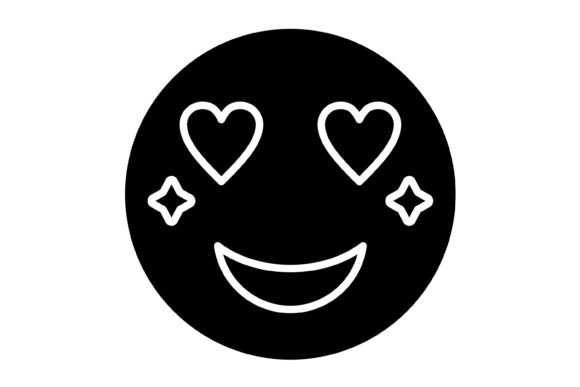
A "glyph" in typography and design refers to a specific visual representation of a character. When we talk about the Emoticon Glyph Icon, we are referring to a specific style of illustration that strips away complex shading and textures to focus on clean, recognizable shapes. Visically, these icons tend to feature a minimalist aesthetic. They rely on strong geometric foundations, consistent stroke weights, and balanced negative space. This design philosophy ensures that the icons feel modern and professional, avoiding the dated look of early web clipart.
The personality of these icons is approachable and universal. They are designed to be culturally neutral while still conveying specific feelings—joy, confusion, anger, or celebration. Because they are 100% vector icons, they possess a crispness that raster images cannot match. There is no pixelation upon zooming, which makes them particularly suitable for high-resolution Retina displays and large-scale print applications. The "glyph" style implies a certain solidity; these are icons that feel grounded and reliable, making them perfect for professional environments where you need to add a touch of humanity without sacrificing corporate credibility.
The Power of Versatility: File Formats Explained
One of the most practical aspects of this package is the sheer variety of file formats included. For many designers and business owners, the frustration of finding the perfect icon only to discover it is incompatible with their software is a common roadblock. This set eliminates that issue by offering five distinct formats: AI, EPS, JPG, PNG (Transparent Background), and SVG.
The inclusion of SVG (Scalable Vector Graphics) is particularly vital for modern web design. SVGs are code-based, meaning they load faster and scale perfectly to any screen size without losing quality. For the entrepreneur managing their own WordPress site or the developer building a mobile app, SVGs are the gold standard. On the other hand, the AI and EPS files are the workhorses for professional designers using Adobe Illustrator. These formats allow for deep editing—changing colors, altering shapes, or merging the emoticons with other design elements to create unique brand identity assets.
For those working outside of vector software, such as in Microsoft PowerPoint for presentations or Canva for quick social media graphics, the PNG files are a lifesaver. The transparent background feature is critical here; it allows the emoticon to be placed over photographs, colored backgrounds, or complex textures without an awkward white box surrounding it. Finally, the JPG format offers a universal fallback that is compatible with virtually every platform and device imaginable.
Practical Applications: Where Emoticons Drive Engagement
The utility of the Emoticon Glyph Icon extends far beyond simple decoration. In the realm of mobile apps and UI/UX design, these icons serve as essential wayfinding tools. Consider a feedback form within an app. Instead of asking users to type out their feelings, offering a series of emoticon glyphs allows for one-tap input. This reduces friction, increases completion rates, and provides you with quantifiable data on user satisfaction. The "ready to use" nature of these files means developers can integrate them immediately into their codebase or design systems.
For marketers and content creators, these icons are powerful tools for visual hierarchy. In a long-form email newsletter or a dense blog post, the human eye tends to skim. Placing a relevant emoticon next to a key point—such as a "lightbulb" icon for a tip or a "warning" icon for a caution—draws the reader's attention and breaks up the monotony of text. This improves readability and keeps the audience engaged longer. In social media graphics, where you have only a fraction of a second to stop the scroll, a bold, expressive emoticon can convey the tone of your post before the user even reads the caption.
Branding and Editorial Consistency
When building a brand identity, consistency is king. Using random clipart from the internet can make a brand look disjointed and amateurish. By adopting a specific set of glyph icons, you establish a visual language that your audience comes to recognize. If you are a blogger or publisher, using these consistent icons for recurring segments (like a "Reader Question" or "Weekly Rant") builds a sense of familiarity and professionalism. It signals to your audience that you care about the details of your editorial design.
Even in packaging design, emoticons have found a niche. Modern consumer brands, particularly those targeting younger demographics or the lifestyle sector, often use emotive glyphs to create a friendly unboxing experience. Because the files are vectors, they can be scaled up for the side of a shipping box or scaled down for a small hang-tag without any loss of fidelity. This scalability ensures that your visual communication remains sharp across all physical touchpoints.
Implementation and Design Strategy
While the icons are "easy to edit," a strategic approach to their implementation will yield the best results. When integrating the Emoticon Glyph Icon into your designs, pay attention to visual weight. Ensure that the line thickness of the icon matches the weight of your typography. If you are using a bold sans serif font, a thin-line emoticon might look out of place. Conversely, if your layout uses delicate script fonts or handwritten fonts, a heavy, solid glyph might overpower the text.
Color is another critical factor. While the icons come in a standard format, the vector nature of the AI and EPS files allows you to recolor them to match your specific palette. Do not be afraid to move beyond the standard yellow smiley face. Aligning the icon colors with your brand’s primary or secondary colors creates a cohesive look. For example, if your brand uses a deep navy and coral, changing the emoticons to match these colors integrates them seamlessly into your creative assets.
Furthermore, consider the context of the emotion. In a professional B2B context, subtlety is often better. You might use a simple "checkmark" or "star" glyph rather than a laughing face. In contrast, a B2C brand selling party supplies or gaming accessories can lean into the more expressive, high-energy emoticons. The versatility of the set allows it to adapt to the specific tone of your project, whether it is serious and corporate or playful and whimsical.
Technical Considerations for Maximum Usability
From a technical standpoint, the promise of "maximum usability" is realized through the file structure. When working with the PNG files, ensure you are selecting the appropriate resolution. While the transparent background is standard, the pixel dimensions matter for print versus digital. For web use, optimize the files to ensure fast load times, which is a key factor in SEO and user retention.
For those utilizing the SVG format, accessibility should be a priority. When inserting these icons into your HTML, remember to include descriptive tags (such as aria-label or alt text). Even though emoticons are visual, they carry meaning. A screen reader should be able to tell a visually impaired user that a "smiley face" or "thumbs up" icon is present to convey the full context of your content. This attention to accessibility not only broadens your audience reach but also aligns with best practices for inclusive modern typography and web development.
Ultimately, the Emoticon Glyph Icon set is more than just a collection of digital stickers. It is a functional design system. It empowers small business owners to create polished marketing materials, helps designers streamline their workflow, and allows content creators